
How Airless Packaging Works: A Simple Guide
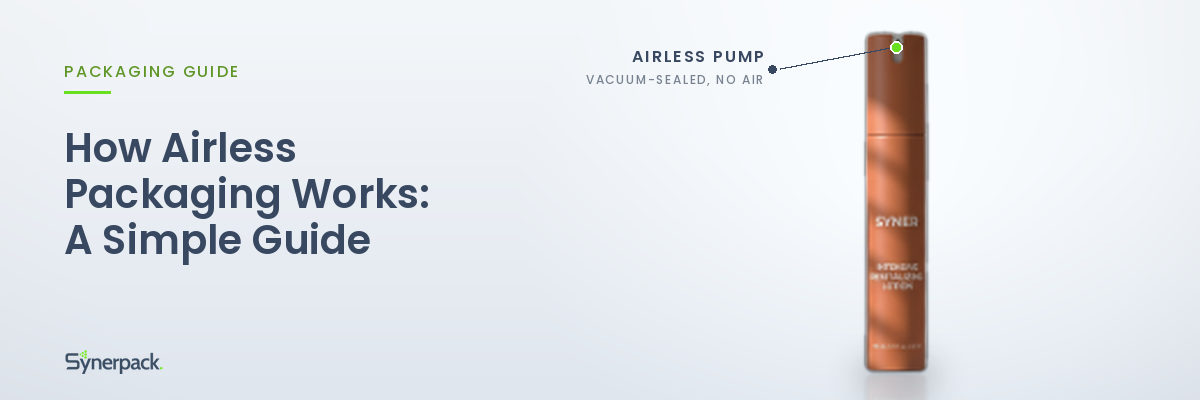
The way beauty brands package skincare has changed a lot in the past decade, and airless packaging is one of the biggest reasons why.
The market shows it, too. The airless cosmetic packaging market reached $5.4 billion in 2024 and is projected to hit $9.8 billion by 2033, growing at a CAGR of 7.2%, according to Strategic Packaging Insights. That kind of growth does not happen by accident.
So what makes this style of packaging so popular? And how does it actually keep your favorite serum fresh? This guide explains it all clearly.
What is Airless Packaging?
Airless packaging is a container that keeps air away from the product inside.
Air gets into most regular bottles every time you open them. Airless cosmetic packaging works differently. It uses a sealed system to keep air out of the formula.
That matters because air is one of the main causes of spoilage. When air reaches a cream or serum, it can cause:
- Oxidation that breaks down active ingredients
- Loss of color, smell, or texture
- A shorter lifespan
- A need for extra preservatives
Airless packaging keeps skincare products fresher for longer because so little air reaches the formula. That is especially true for products like vitamin C serums and retinol creams.
How Does an Airless Pump Bottle Work?
Here is the part most people wonder about: how does an airless pump bottle work without a straw inside?
Regular pumps use a dip tube, the long plastic straw that reaches the bottom of the bottle. Airless pump bottles skip the tube completely.
Instead, they use a small disc or piston at the base of the container. When you press the pump, a few things happen:
- The pump pushes the product out through the top.
- The disc slowly rises from the bottom.
- The rising disc pushes the rest of the product upward.
- No air fills the empty space behind it.
This is why airless pump packaging can use almost every drop. The disc keeps moving up until the bottle is nearly empty.
You may need to press the pump a few extra times when the bottle is new. This is called priming, and it is completely normal.
Common Types of Airless Packaging
Airless packaging comes in more than one shape. Brands pick the format that fits their product best. Here are the most common types:
- Airless pump bottles. These work especially well for serums, lotions, and lightweight creams, giving a smooth, measured dose each time.
- Airless pump jars. Thicker products like night creams and balms do well here. Many brands choose airless pump jars acrylic beauty packaging containers, which have a wide mouth and a piston base for a clean, easy-to-use design.
- Airless glass packaging. Some premium brands choose airless glass packaging for a heavier, high-end feel. Glass also supports refill and recycling goals.
Each airless bottle cosmetic packaging option uses the same basic idea: keep air out, push product up, and waste less.
Airless Vs Regular Pump: What is the Difference?
The airless vs regular pump question comes up a lot. Both dispense product, but they are not the same.
A regular pump uses a dip tube and lets air back into the bottle. An airless pump uses a vacuum system and keeps air out. Here is a simple side by side:
- Air exposure. Regular pumps let air in. Airless pumps block it.
- Product waste. Regular pumps leave the product stuck at the bottom. Airless pumps use almost all of them.
- Regular pumps can lead to faster spoiling. Airless pumps protect the formula for longer.
- Regular pumps may pull in bacteria. Airless pumps stay cleaner.
For thin liquids like toner, a regular pump is often fine. For sensitive or pricey formulas, airless is usually the smarter pick.
Why Brands Choose Airless Packaging for Skincare
Skincare brands care about two things: keeping the product fresh and giving customers a nice experience. Airless packaging helps with both.
The best airless bottles for skincare offer clear benefits:
- They protect active ingredients from air and light.
- They lower the need for heavy preservatives.
- They dispense a clean, even amount every time.
- They feel premium in the customer’s hand.
- They cut down on wasted product.
This is why so many serums, eye creams, and moisturizers now come in airless designs. The packaging does real work, not just good looks.
Conclusion
Airless packaging is simple once you understand it. It keeps air out, pushes product up, and helps your formula stay fresh from the first pump to the last.
For beauty brands, that means happier customers and products that last longer. For shoppers, it means getting full value from every bottle.
Synerpack designs airless cosmetic packaging built for premium beauty brands. If you are exploring airless options for your next product line, the Synerpack team is eager to help you find the right fit.
Frequently Asked Questions – FAQs
Q1. What is airless packaging used for?
Airless packaging is mostly used for skincare and cosmetics. It works best for serums, creams, lotions, and sunscreens that need protection from the air. Synerpack makes airless cosmetic packaging for many of these product types.
Q2. How does an airless pump bottle work?
An airless pump bottle uses a disc or piston instead of a dip tube. When you press the pump, the disc rises and pushes the product up. No air enters the bottle, so the formula stays fresh.
Q3. Is airless packaging better than a regular pump?
For sensitive or premium formulas, yes. The airless vs regular pump difference comes down to air. Airless pumps block air and waste less product, while regular pumps let air in.
Q4. Can airless pump bottles be refilled?
Some can. Refillable airless designs let you swap or refill the inner container while keeping the outer shell. This supports eco-friendly goals and cuts down on waste.
Q5. What products work best in airless packaging skincare designs?
Vitamin C serums, retinol creams, peptides, and other active formulas do best. These ingredients break down when they meet air, so airless protection keeps them working longer.