


Why eco friendly packaging matters in cosmetics
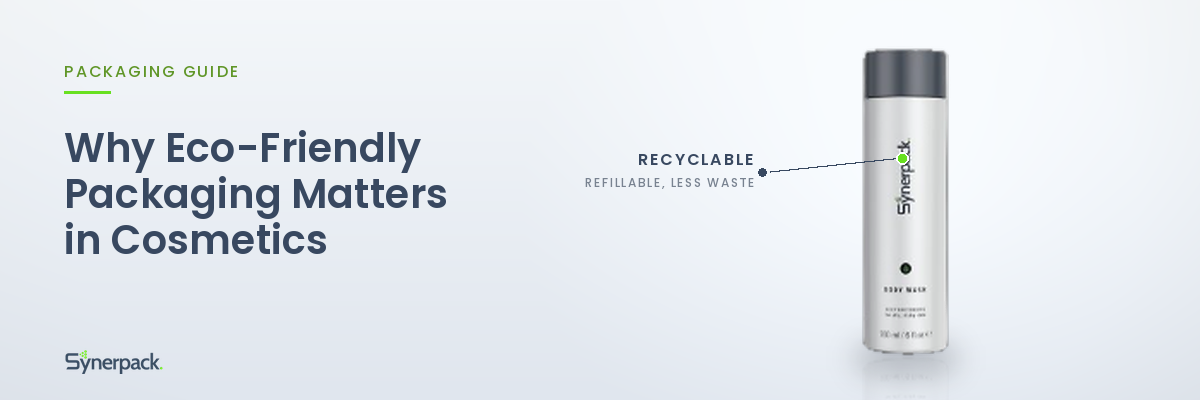
Shoppers are paying closer attention to what their beauty products come in. Greener packaging has moved from a nice extra to something customers actively look for. For beauty brands, the way a product is packaged now shapes how it is judged on the shelf.
Eco friendly packaging means containers made to reduce harm to the planet. Think of recyclable plastics, refillable jars, and materials that use less new plastic.
The shift is real, too: the sustainable cosmetic packaging market is projected to reach $18.76 billion by 2030, growing at a CAGR of 6.54%, according to Research and Markets. For beauty brands, this touches everything from cost to customer loyalty.
So why does this matter so much right now? Shoppers want it, regulators are pushing for it, and it can set your brand apart on a crowded shelf. This guide breaks down the benefits, the materials, and how to pick the right option for your line.
What Eco-Friendly Packaging Means in Beauty
Eco-friendly cosmetic packaging is any container designed to lower its impact on the environment. It does this in a few simple ways.
Some packaging uses recycled material instead of new plastic. Some are built to be refilled repeatedly. And some are made to break down or recycle easily at the end of their life.
Here is what usually puts packaging in the “green” category:
- Recycled content: It uses post-consumer recycled plastic, often called PCR, instead of brand-new plastic.
- Recyclability: Customers can drop it in a curbside bin, and it actually gets recycled.
- Refillability: The outer container stays, and only the inner part gets replaced.
- Less of material: The design uses less plastic overall, with no wasteful extra layers.
The goal is the same across all of them. Use fewer new resources, create less waste, and keep products out of landfills. That is the heart of sustainable cosmetic packaging.
Why It Matters for Beauty Brands
Going green is not just good for the planet. It is good for business, too. Customers now expect brands to take real steps, and packaging is one of the most visible places to show it.
Here is why eco-friendly beauty packaging pays off:
- Shoppers want it: Many buyers now factor sustainability into what they purchase, and they notice the packaging first.
- It builds trust: Recyclable cosmetic packaging signals that a brand walks the talk, not just markets it.
- It meets new rules: More regions are setting up plastic-reduction laws, so greener choices help brands stay ahead.
- It stands out: On a shelf full of plastic, a refillable or recycled design catches the eye.
There is a practical upside as well. Refill systems can keep customers coming back, since they return to buy the refill instead of switching brands. That kind of repeat purchase is hard to win and easy to lose.
Common Eco-Friendly Packaging Materials
Not every material is equally green, and each has trade-offs. Picking the right one depends on your product and your goals. Here are the most common options brands use today.
| Material | Eco benefit | Best for | Trade-off |
| PCR plastic | Reuses existing plastic, less new plastic made | Bottles, jars, tubes | Can look slightly less clear than virgin plastic |
| Glass | Endlessly recyclable, premium feel | Serums, creams, high-end lines | Heavier, costs more to ship |
| Aluminum | Lightweight and widely recycled | Tubes, bottles, refill pods | Needs a liner for some formulas |
| Bamboo or paper | Renewable, biodegradable outer parts | Caps, outer shells, boxes | Usually paired with a plastic inner layer |
| PP (refill systems) | Cuts waste through reuse | Refillable jars and compacts | Refill habit depends on the customer |
Most brands mix and match. A common setup is recycled plastic cosmetic packaging for the main container paired with a refillable insert, which balances cost, looks, and lower waste.
How to Choose the Right Option for Your Line
The best choice depends on your product, your price point, and your customer. There is no single answer that fits every brand. Here is a simple way to think about it.
Start with your formula. Some products need an airtight or light-blocking container, which narrows your material options. Active ingredients like vitamin C, for example, often pair better with glass or airless designs.
Then think about your customer. A premium skincare line may lean toward glass for the weight and feel. A mass-market brand may pick up recycled plastic for cost and durability.
A few questions to guide the call:
- Does the formula need protection from air or light?
- Will your customer actually use a refill, or just toss the container?
- What is your budget per unit, including shipping?
- Do you want the eco story front and center, or as a quiet bonus?
For brands buying at scale, sustainable packaging materials for cosmetics are now easier to source than ever, and ordering wholesale eco-friendly cosmetic packaging can keep the per-unit cost in check. Synerpack helps beauty brands match the right green material to their product, from recycled plastic jars to refillable airless designs.
Conclusion
Eco friendly packaging has moved from a trend to an expectation. It helps brands cut waste, meet new rules, and earn the trust of shoppers who care where their products come from.
The key is matching the material to your product and your customer. Recycled plastic, glass, aluminum, and refill systems each have a place, and the best fit depends on your goals and budget. A thoughtful choice protects both your brand and the planet.
Ready to make the switch to greener packaging?
Synerpack helps beauty brands choose, customize, and source ecofriendly cosmetic packaging, from recycled plastic and refillable designs to fully custom options. Whether you are launching your first line or making an existing range more sustainable, the team can match the right fit to your formula and budget.
Frequently asked questions – FAQs
Q.1 What is eco-friendly cosmetic packaging?
Eco-friendly cosmetic packaging is any container made to reduce its impact on the environment. It uses recycled or renewable materials, is easy to recycle, or can be refilled, which cuts down on waste and new plastic.
Q.2 Why does sustainable packaging matter for beauty brands?
Sustainable packaging matters because shoppers increasingly expect it and new regulations require it. Cosmetics sustainable packaging also builds trust and helps a brand stand out, while refill systems encourage repeat purchases.
Q.3 Which materials are used in eco-friendly beauty packaging?
The most common are PCR (recycled) plastic, glass, aluminum, bamboo, and paper. Each has trade-offs in cost, weight, and look; so many brands combine them, such as a recycled plastic jar with a refillable insert.
Q.4 Is recyclable cosmetic packaging more expensive?
It depends on the material and order size. Some options like recycled plastic cost about the same as virgin plastic, while glass and refill systems can cost more upfront. Buying eco-friendly cosmetic packaging in bulk usually lowers the per-unit price.
Q.5 How do I choose the best eco-friendly cosmetic packaging?
Start with your formula, since some need air or light protection, then factor in your customer and budget. The best eco-friendly cosmetic packaging matches your product needs with a green material your customer will use.